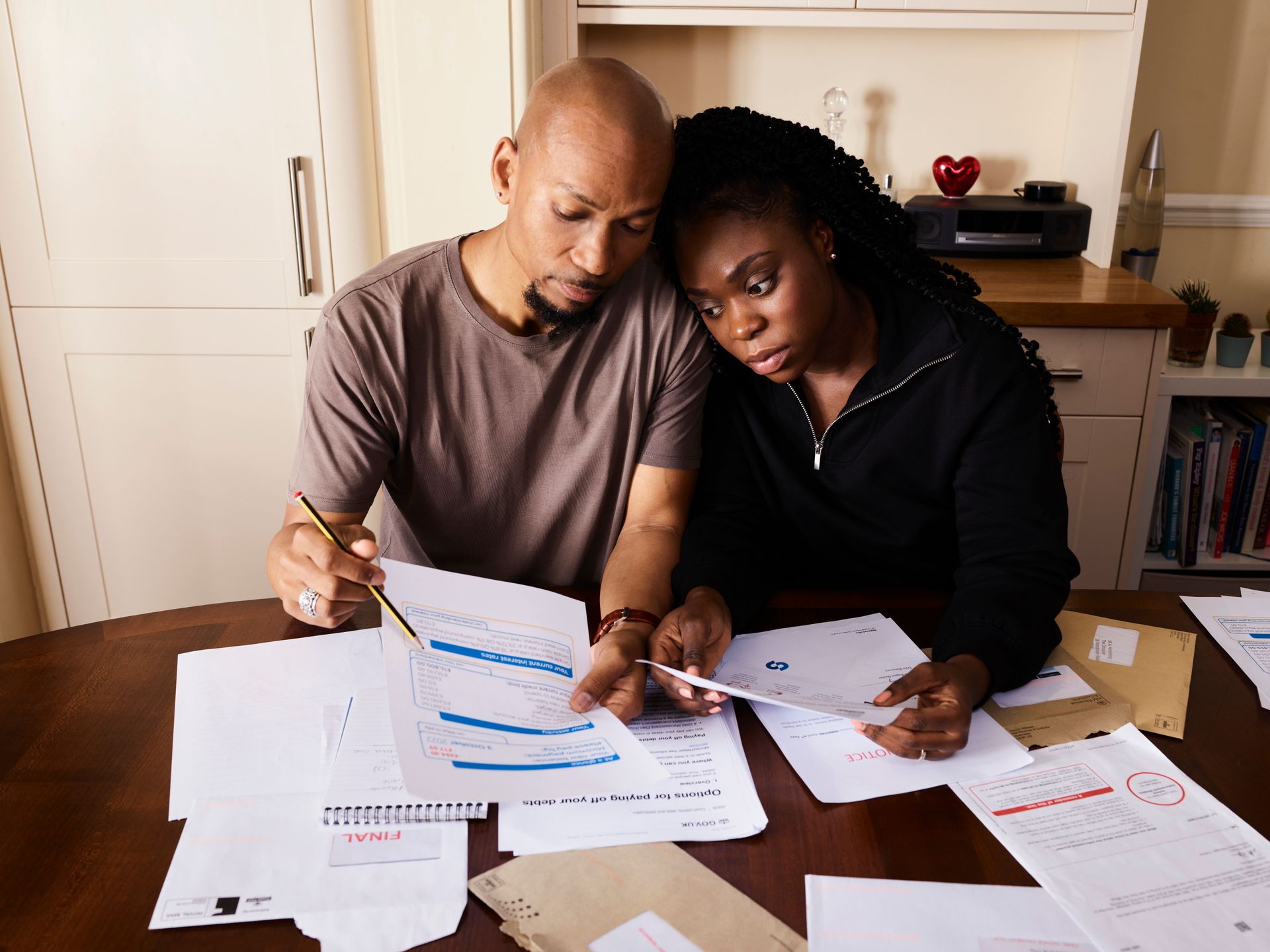
Building Confidence Through Everyday Moments
Most parents want their kids to grow up confident, capable, and grounded when it comes to money—but talking about money can feel intimidating. Many of us didn’t grow up with healthy money conversations, so it’s natural to worry about saying the wrong thing or passing down stress we didn’t ask for.
The good news is that teaching kids about money doesn’t require perfect scripts or complicated lessons. Kids learn best through everyday moments—simple conversations, small decisions, and the way they see you interact with money in real life. When money becomes a normal part of family dialogue, kids develop confidence long before they ever earn their first paycheck.
This blog is about making those conversations feel natural, supportive, and connected.
Why Kids Need Money Conversations Early
Kids are absorbing financial messages long before we realize it. They notice:
- How we talk about spending
- How we make decisions
- How we respond to stress
- How we plan for things we care about
Even silence teaches something. When money is never discussed, kids often fill in the gaps with fear, assumptions, or comparison.
Talking about money early helps kids:
- Build confidence instead of anxiety
- Understand the difference between needs and wants
- Learn how to make thoughtful decisions
- Practice patience, planning, and generosity
- Develop healthy habits before adulthood
Money conversations aren’t about creating perfect savers—they’re about raising thoughtful, grounded humans.
Start With Simple, Everyday Language
Kids don’t need lectures. They need clarity.
Here are gentle ways to introduce money concepts:
For younger kids:
- “We’re choosing between these two snacks because we’re staying within our grocery plan.”
- “This toy costs more, so we need to save for it.”
- “We use money to buy things we need and things we enjoy.”
For older kids:
- “Let’s compare the prices and see what makes the most sense.”
- “If you want this bigger item, let’s talk about a savings plan.”
- “Here’s how we decide what fits into our monthly budget.”
Short, consistent conversations build understanding over time.
Use Real‑Life Moments as Teaching Tools
Kids learn best when money feels connected to real life. You don’t need worksheets or formal lessons—just awareness.
At the store: Talk about comparing prices, choosing between options, or sticking to a list.
At home: Explain why you’re planning meals, reviewing bills, or saving for a goal.
During family decisions: Let kids see how you weigh priorities—vacation vs. home project, eating out vs. saving for something bigger.
Kids don’t need to be shielded from financial decisions. They need to see how thoughtful decision‑making works.
Create Simple Systems Kids Can Participate In
Kids thrive when they have structure and choice. A few easy systems can make money feel tangible and manageable.
Spend / Save / Share jars A classic for a reason. It teaches balance, patience, and generosity.
Allowance with purpose Not payment for chores, but a tool for learning. Chores are part of being in a family; allowance is practice with money.
Goal trackers A simple chart or visual tracker helps kids see progress and stay motivated.
Family money check‑ins Let kids share their goals, talk about what they’re saving for, or celebrate a win.
These systems don’t need to be perfect. They just need to be used consistently.
Model the Behaviors You Want Them to Learn
Kids learn how to treat money by watching how you treat money.
They notice:
- Whether you talk about money calmly or with stress
- Whether you plan or react
- Whether you save for things or buy impulsively
- Whether you talk openly or avoid the topic
You don’t need to be flawless. You just need to be honest and intentional.
One of the most powerful things you can say to a child is: “I’m learning about money too.”
It shows them that financial skills are something we grow into, not something we’re expected to master overnight.
How FinFit Supports Families Raising Financially Confident Kids
FinFit helps families blend traditional money lessons with modern, practical systems. Through coaching and educational content on www.financialfit.money, parents learn how to:
- Talk about money in ways that feel supportive
- Build simple systems kids can participate in
- Model healthy financial habits
- Create a home environment where money feels safe, not stressful
Financial confidence starts with connection. When parents feel grounded, kids feel grounded.
Sources & Recommended Reading
- Pew Research Center – Digital Literacy & Youth Behavior https://www.pewresearch.org/internet/topic/digital-knowledge/ (pewresearch.org in Bing) (bing.com in Bing)
- CFA Institute – Investor Trust Study (Gen Z & Financial Behavior) https://www.cfainstitute.org/en/research/survey-reports/investor-trust-study (cfainstitute.org in Bing) (bing.com in Bing)
- Federal Reserve – Consumer & Household Finance Trends https://www.federalreserve.gov/consumerscommunities.htm (federalreserve.gov in Bing) (bing.com in Bing)
- McKinsey & Company – Consumer Financial Behavior https://www.mckinsey.com/capabilities/mckinsey-analytics/our-insights/forecasting-in-an-age-of-unpredictability (mckinsey.com in Bing) (bing.com in Bing)